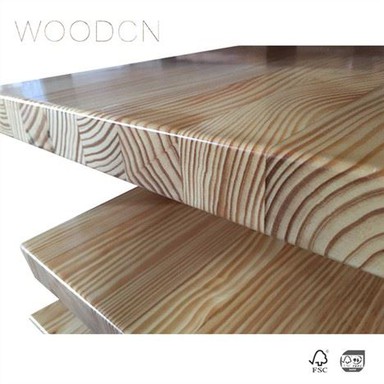
The relationship between the thickness of solid wood tables and their load-bearing capacity
Mar 15, 2025
Solid wood tables are widely popular for their natural beauty and durability. However, choosing the right thickness of a solid wood table is not only related to its appearance and stability, but also directly affects the load-bearing capacity of the tabletop. This article will explore the relationship between the thickness of a solid wood table and its load-bearing capacity, and provide some suggestions to help you choose the right thickness of a solid wood table.
1. The impact of the thickness of a solid wood table on its load-bearing capacity
The thickness of a solid wood table has a significant impact on its load-bearing capacity. Thicker tabletops are generally able to withstand greater weight because the thickness increases the structural stability and compressive strength of the tabletop. Specifically, a thicker tabletop can better disperse the pressure applied to it, thereby reducing deformation or damage caused by heavy objects.
2. Load-bearing capacity of different thicknesses
Based on the search results, we can understand the approximate load-bearing capacity of solid wood tables of different thicknesses:
- 6-8 cm: Solid wood tables of this thickness are generally able to withstand greater weight and are suitable for environments that require high stability and load-bearing capacity. For example, the thickness of the rosewood board can be 8 cm, and for solid wood boards with a length of 200 cm or less, the thickness of 8 cm is basically no big problem.
- 10 cm: This is the common thickness of solid wood boards, suitable for most families. The thickness of 10 cm can provide good load-bearing capacity and stability, while striking a balance between aesthetics and practicality.
- 5-12 cm: The thickness in this range is generally considered to be more appropriate. This thickness not only ensures the load-bearing capacity and stability of the table, but also forms a good sense of coordination with the home environment visually.
3. Other factors affecting load-bearing capacity
In addition to thickness, the load-bearing capacity of solid wood tables is also affected by the following factors:
- Wood type: Different types of wood have different densities and hardness, so the load-bearing capacity is also different. For example, North American woods such as black walnut, cherry, white oak, red oak and ash are usually good choices because of their good density and stability.
- Tabletop size: The length and width of the tabletop will also affect its load-bearing capacity. Generally speaking, larger tabletops require thicker wood to ensure their stability.
- Support structure: The design and material of the table's support structure (such as legs and beams) will also affect its load-bearing capacity. A reasonable support structure can effectively disperse the pressure on the tabletop and improve the overall load-bearing capacity.
4. How to choose the right thickness of a solid wood table
When choosing the thickness of a solid wood table, you should consider the following aspects:
- Usage requirements: If you need a table that can withstand a large weight, it is recommended to choose a solid wood table with a thickness of more than 10 cm. If you pursue a simple style and space utilization, you can choose a solid wood table with a thickness of 6-8 cm.
- Home style: Solid wood tables of different thicknesses can reflect different design styles. For example, a traditional style home can choose a thicker tabletop to show its calm and classic beauty; a modern minimalist style can choose a thinner tabletop to create a clean and neat visual effect.
- Budget: Thicker solid wood tables are usually more expensive because they require more raw materials and processing technology. Therefore, when choosing the thickness of a solid wood table, you also need to consider your budget.
Conclusion
The thickness of a solid wood table is closely related to its load-bearing capacity. Choosing the right thickness of a solid wood table can not only improve its load-bearing capacity, but also ensure its structural stability and aesthetics. I hope this article will help you in choosing the thickness of a solid wood table, and I wish you to create an ideal office or home environment!
If you have any questions or need further help, please feel free to consult a professional furniture designer or manufacturer.