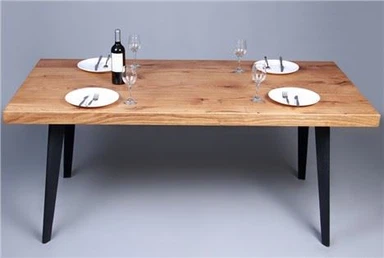
How to choose the perfect wood
Aug 27, 2021
Wood is so diverse that it offers a high degree of flexibility when dealing with all types of projects; However, sometimes you may have anticipated certain outcomes for a wood project, and then you are disappointed with the end result. You may not have paid enough attention to the type of wood you chose for your project.
While you want wood grain to add to the aesthetic of your project, you also need to pay attention to the wood's durability and ability to resist scarring and staining.
It's also important to make sure that when you use multiple pieces of wood, all the pieces match well when connected. You want to ensure consistency throughout.
Book matching is a very effective technique for creating good texture patterns. Book matching is done by cutting the thickness of the plate in half and then folding the plate open.
It is also important to consider the final thickness you are looking for in your project. When using multiple blocks, you need to ensure that the thickness of each block is equal to the sum of the required thicknesses. You also need to add at least 1/16 of an inch of space for polishing and smoothing at the end of the project. The blade thickness of any cutting equipment must also be considered when attempting to achieve a specific thickness.
While patterned wood is often good for the aesthetic appeal of the finished product, you should be aware that too much of a good thing can have the opposite effect on the desired result. With this in mind, it is best to use patterned wood to provide the focus and highlights that highlight the finished product. Personal taste now also plays a role in the content you seek, so you need to find your own personal tolerance to accentuate and highlight your project. Another way to highlight your wood project is to look for wood with wormholes, knots, and other forms of natural deformation. Natural deformation can make some of the most beautiful statements in wood projects.
Basically, the end result of getting a beautiful product is the result of self-learning to see the color and texture of the wood. Let what you see guide you on how to arrange the pieces to create the best combination. Finally, don't ignore the back of the wood, especially if both sides are visible. Just because the front is perfect doesn't mean the back is too. You need to give equal attention to both parties.