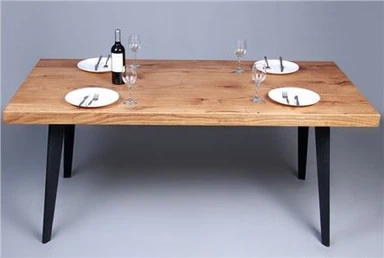
Why oak tables are shakier than other types of wood tables
Apr 29, 2024
Oak TableIt is not necessarily true that oak tables are shakier than tables made from other types of wood. In fact, oak is known for its strength and stability, making it a good choice for tables that will be subjected to heavy use. There are several reasons why an oak table may seem shakier than other types of wood tables:
Poor construction: If an oak table is not properly constructed, it may be prone to wobbling or shaking. This can be caused by using inadequate fasteners, not using proper joinery techniques, or using wood that is not straight or stable.
Uneven or unstable surfaces: If an oak table is placed on an uneven or unstable surface, it may appear to be shakier than it would on a level surface. This can be caused by placing the table on a carpet or rug with a thick pile, or on a surface that is not level.
Loose or worn components: Over time, tables can develop loose or worn components, such as legs or supports, that can cause them to become shakier. Regular maintenance and repair can help to prevent this from happening.
Age: As tables age, they may become shakier due to wear and tear on the joints and other components. This can be particularly true of tables that have been subjected to heavy use over an extended period of time.
In conclusion, oak tables are not inherently shakier than other types of wood tables. However, there are several factors that can contribute to an oak table becoming shakier over time, including poor construction, uneven or unstable surfaces, loose or worn components, and age.